
Category: Imported RSS Feeds
Imported RSS feeds from different official sources and blog sites.
-
Structured Concurrency In Java 25: A Deep Dive into Proposal

697

Related Categories:
Related Tags:
Structured concurrency in Java, introduced as a preview feature in Java 21 as part of Project Loom, an ongoing OpenJDK project comprising Virtual Threads, aims to simplify multithreaded programming by treating groups of related tasks as single units of work.
-
Spring AI 1.0.0 M8 Released: Empowering AI in Spring Applications
61
Related Categories:
Related Tags:
Migrating Spring AI M7 to M8? In below article I am providing the detail about the things to be considered if you are migrating. Please go through to know about the new features, deprecations and breaking changes. Introduction I am excited to inform about the release of Spring AI 1.0.0 Milestone 8 (M8), a pivotal step in bringing seamless artificial intelligence integration to the Spring ecosystem. As AI continues to transform software development, Spring AI empowers Java developers to incorporate advanced AI models into their applications with the simplicity and robustness that the Spring framework is known for. This milestone…
-
Spring Cloud 2025.0.0-RC1 (aka Northfields) has been released
133
Related Categories:
Related Tags:
The Spring Cloud 2025.0.0-RC1 release brings exciting updates to multiple modules, including Spring Cloud Config, Gateway, Task, Stream, and Function. Moreover, this release enhances functionality and streamlines development. This article explores the changes, affected modules, and how developers can get started. Release Overview The 2025.0.0-RC1 release, based on Spring Boot 3.5.0-RC1, belongs to the Spring Cloud 2025.0.0 Release Train. For detailed release notes, visit the Spring Milestone Repository. Additionally, you can find a complete list of changes on the GitHub project page. Release Train Spring Cloud 2025.0.0 Release Candidate 1 (RC1) Release Repository Spring Milestone Release Notes release notes for…
-
What are Webhooks?
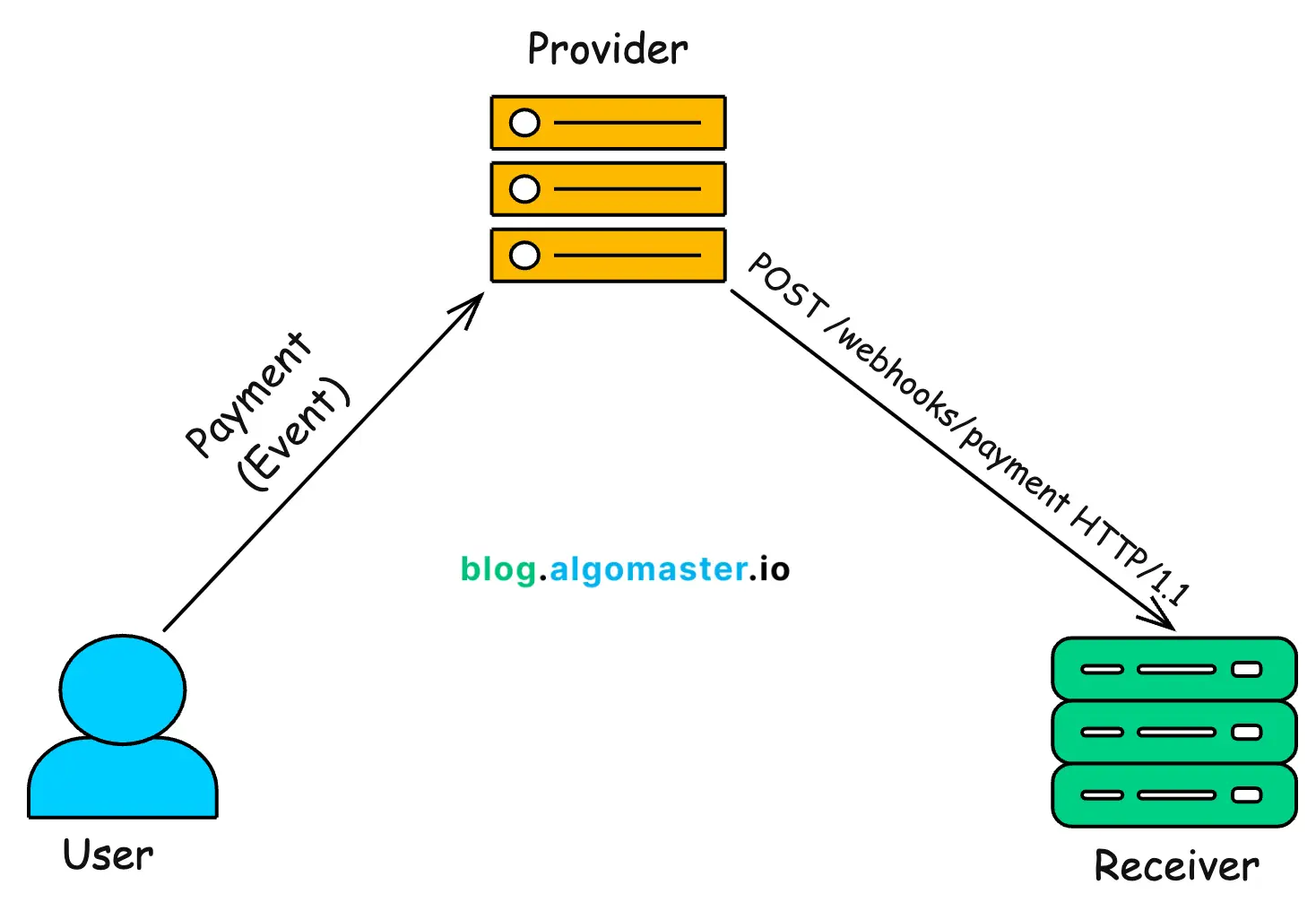
Imagine you’re building an e-commerce platform and using an external payment processor like Stripe to collect payments from users. Once a user completes a payment, your system needs to: But here’s the challenge:Stripe operates on its own infrastructure. Your system doesn’t control it. So how do you know instantly when a payment goes through? A naive solution would be to keep asking Stripe every few seconds: This is known as polling. Now imagine doing this for every order on a site like Amazon. It just doesn’t scale and wastes server resources. Instead of your app repeatedly asking, what if Stripe…
-
Top 15 Strategies to Reduce Latency
40
Related Categories:
Related Tags:
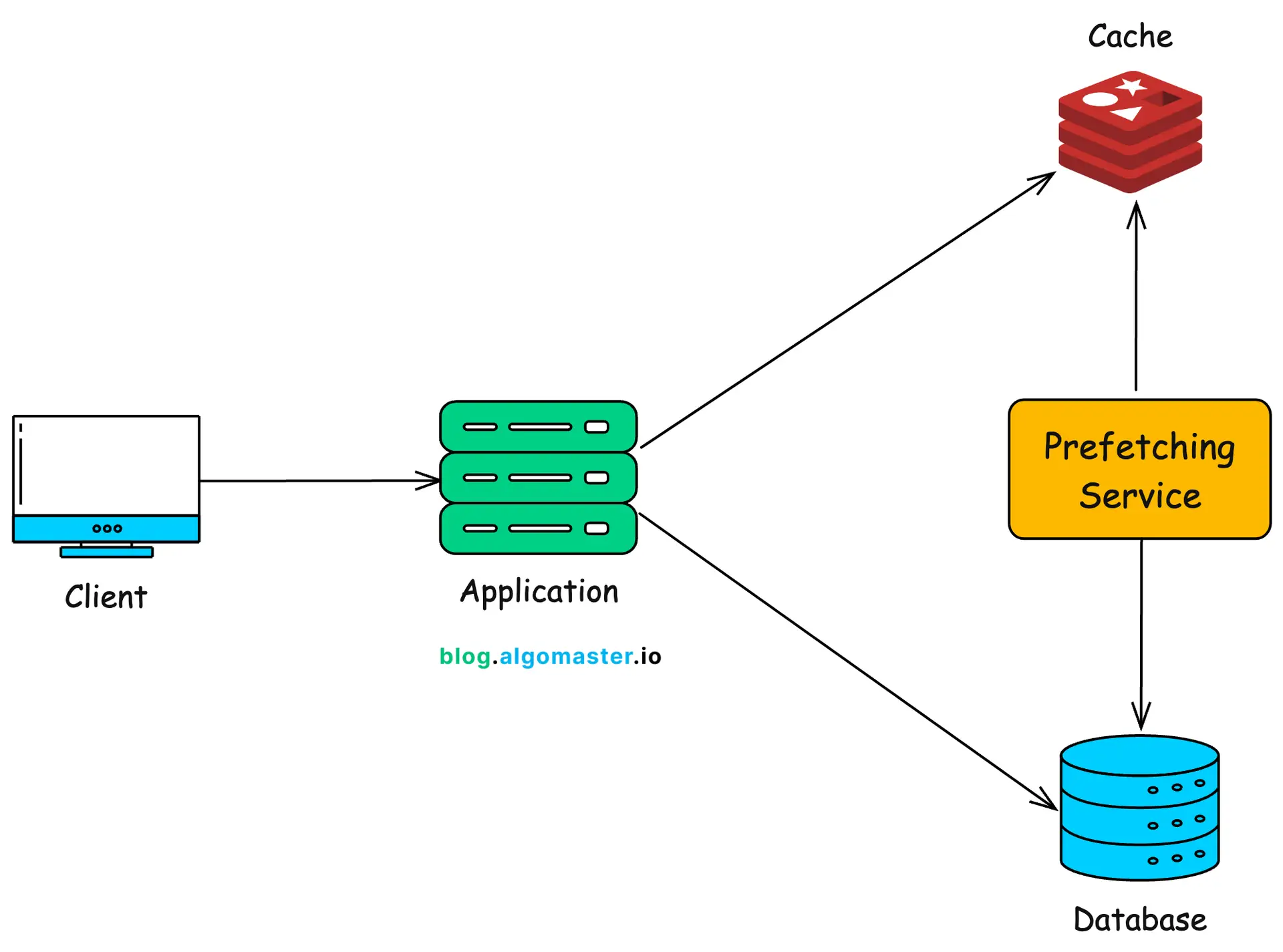
Latency is the time it takes for a system to respond to a user’s action. In simple terms, it’s the delay between: Even small delays can have a significant impact. To put it into perspective: Amazon estimates that every 1-second increase in latency could cost them $1.6 billion in annual sales. On the flip side, low latency means smoother interactions, and a better overall user experience. In this article, we’ll explore Types of Latency 1. Network Latency Network latency is the time it takes for data to travel across a network—from the client (e.g., a browser or mobile app) to…
-
How Databases Guarantee Durability (Even After Crashes)
25
Related Categories:
Related Tags:
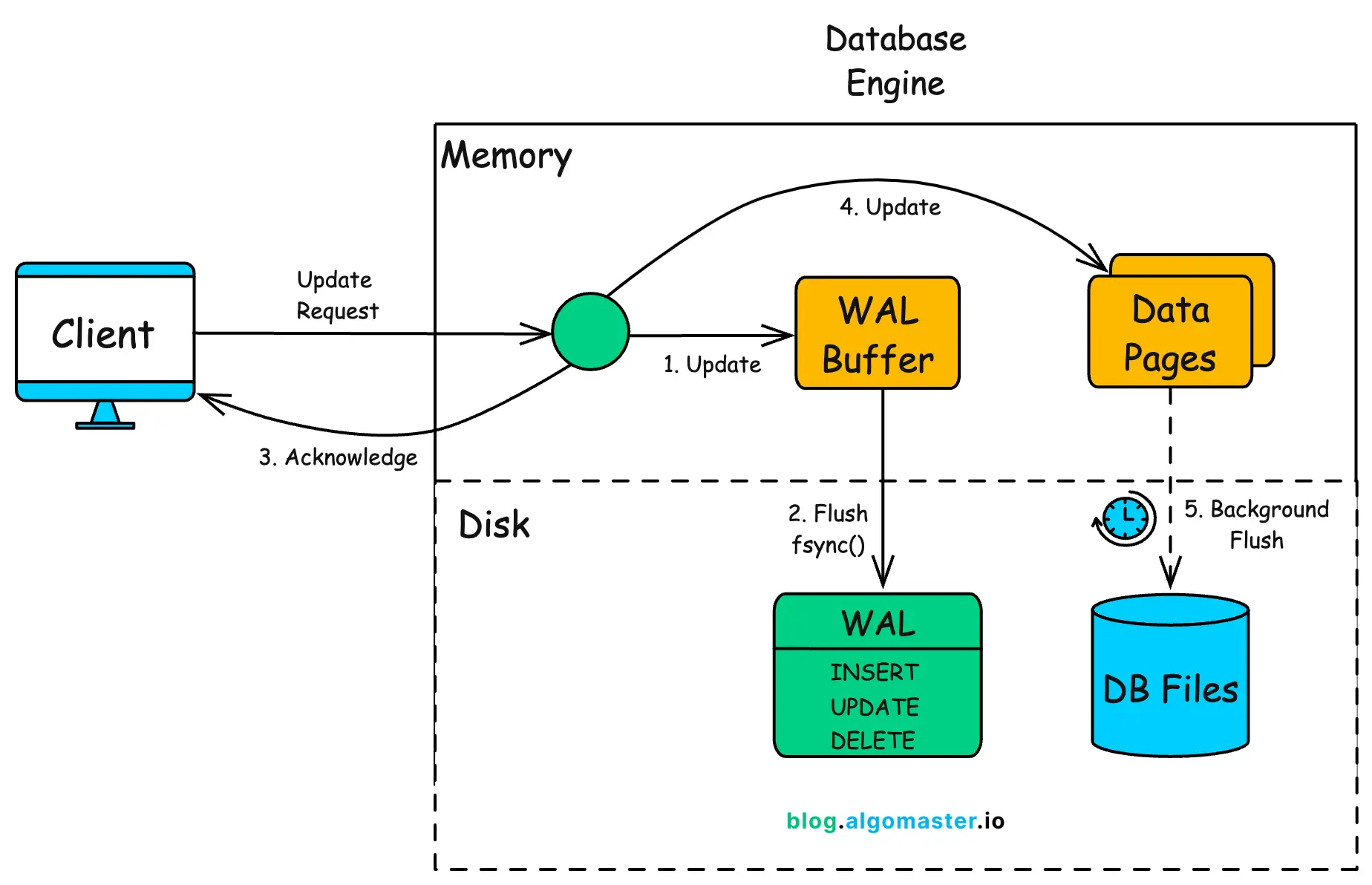
One of the things that make databases truly powerful is their ability to protect your data even in the face of unexpected failures. Whether the database server crashes, restarts, or there’s a sudden power outage, you can trust that your committed data won’t simply disappear. This promise is known as Durability — one of the four essential ACID properties of databases. But, what does it actually take to make a database durable? In this article, we’ll explore the key techniques databases use to ensure durability, including: 1. Write-Ahead Logging (WAL) One of the most fundamental techniques databases use to guarantee…
-
Designing Social Media News Feed System
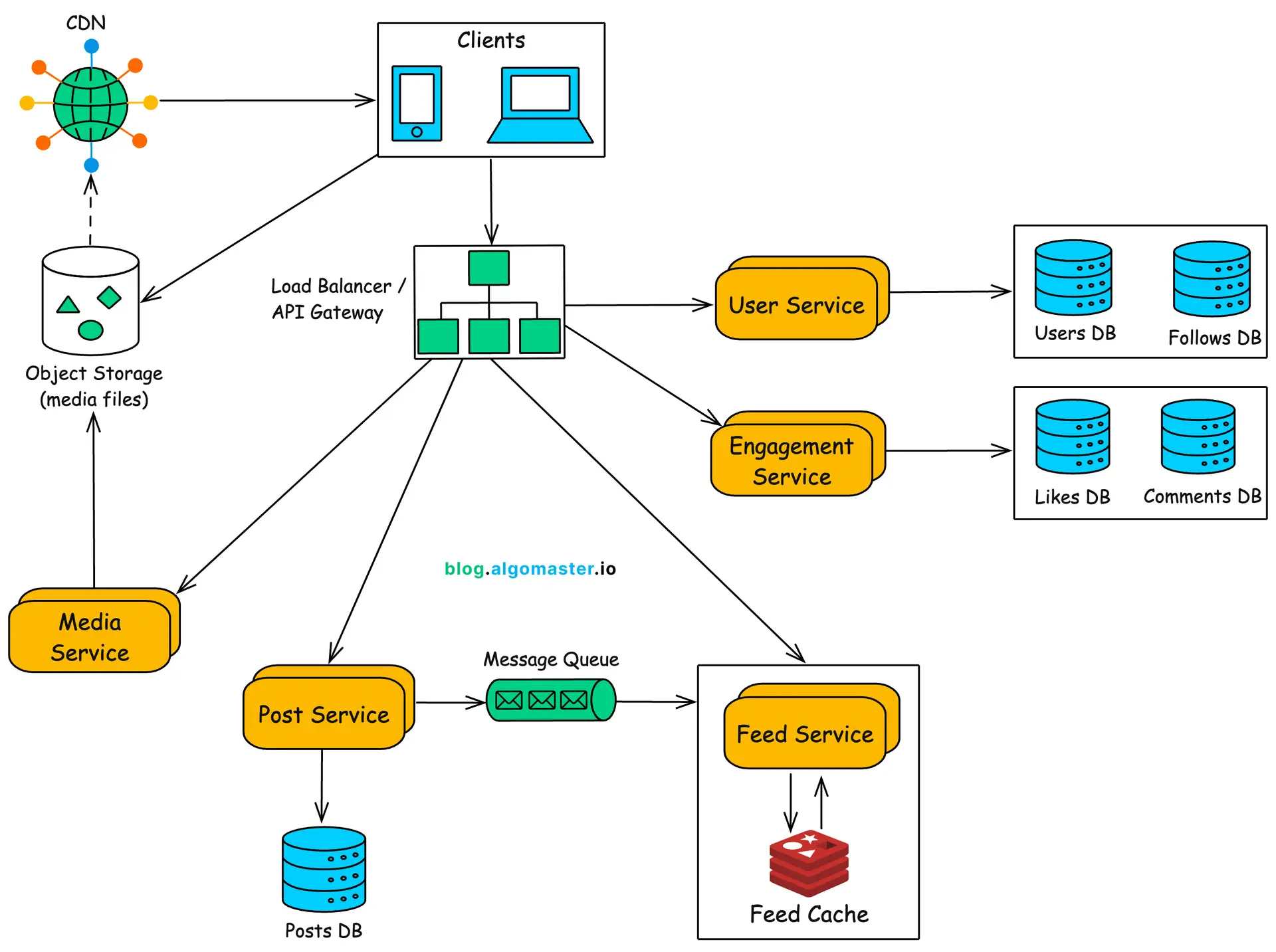
When you open your favorite social media app like Instagram, Facebook, LinkedIn or Twitter, you’re instantly shown a personalized stream of posts. These can include text updates, photos and videos from the people and pages you follow or from posts your friends have engaged with. This seamless and engaging experience is made possible by the news feed system, one of the core features of any modern social platform. But building a system that delivers this experience to 100 million+ daily active users (DAUs) is anything but simple. It brings up several complex challenges like: In this article, we’ll start with…
-
Sharding vs. Partitioning
32
Related Categories:
Related Tags:
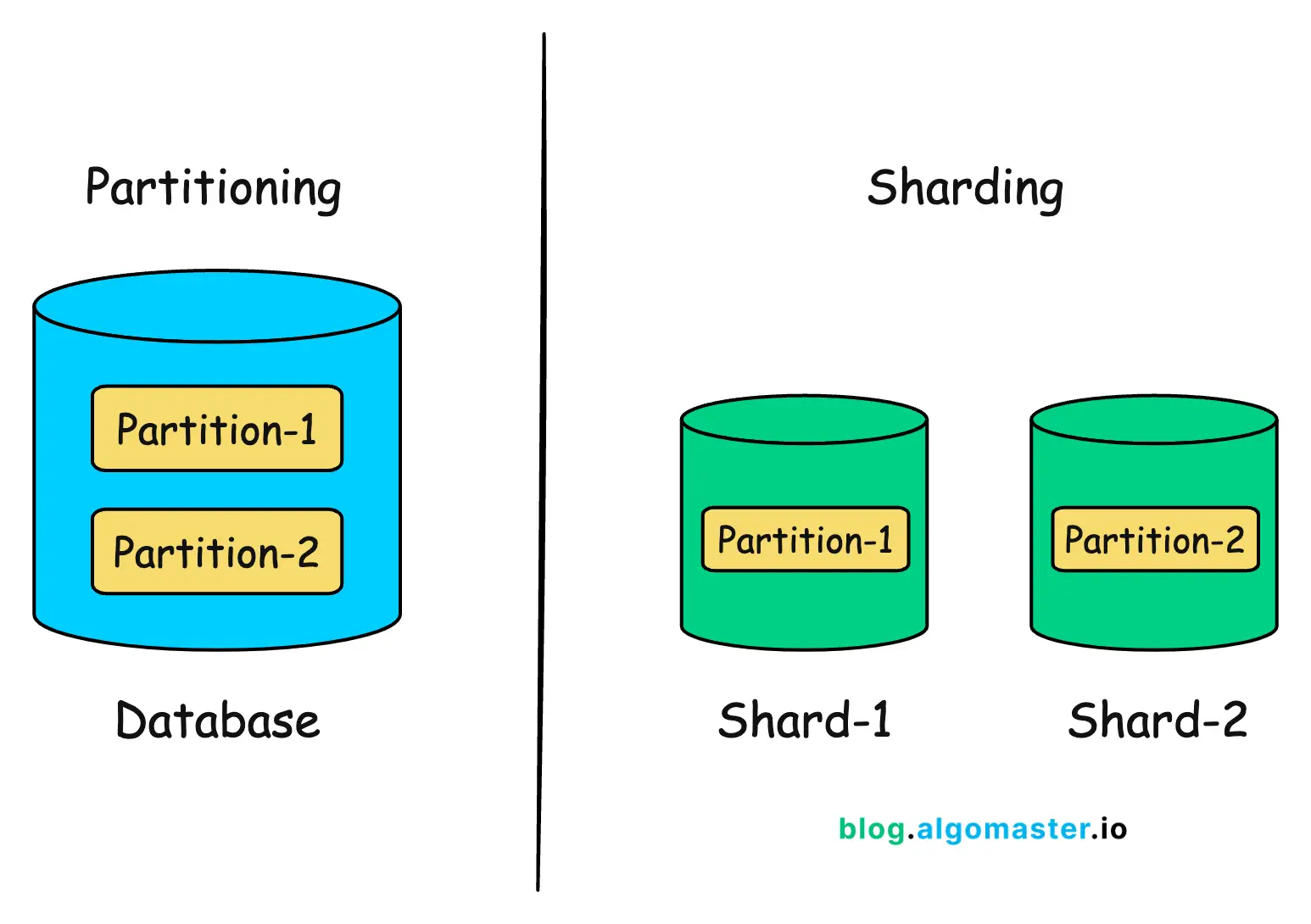
Sharding and partitioning are two of the most commonly confused concepts in system design. At first glance, they may seem similar, and people often use them interchangeably. But they are not the same. Both are techniques to divide and scale large databases; however, they differ in how the data is divided. Simply put, partitioning typically means breaking down database tables within a single server while sharding is about distributing data across multiple servers. In this article, we’ll clear up the confusion between the two. You’ll learn: 1. What is Partitioning? Partitioning is the process of splitting a large database table…

Comments
More posts On JAVADEVTECH!
Support Us By Donating!
Choose an amount
OR Enter custom amount
Your contribution is APPRECIATED!
Leave a Reply